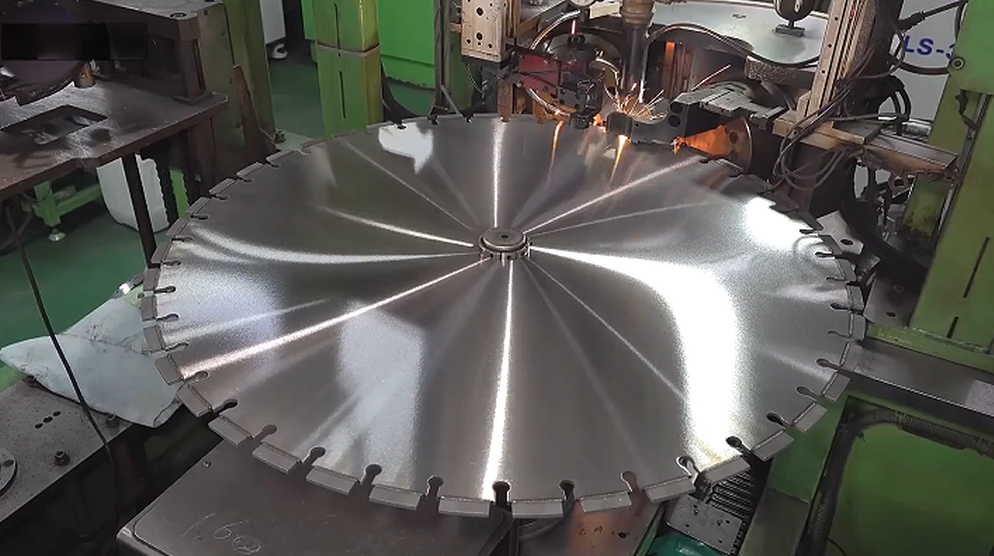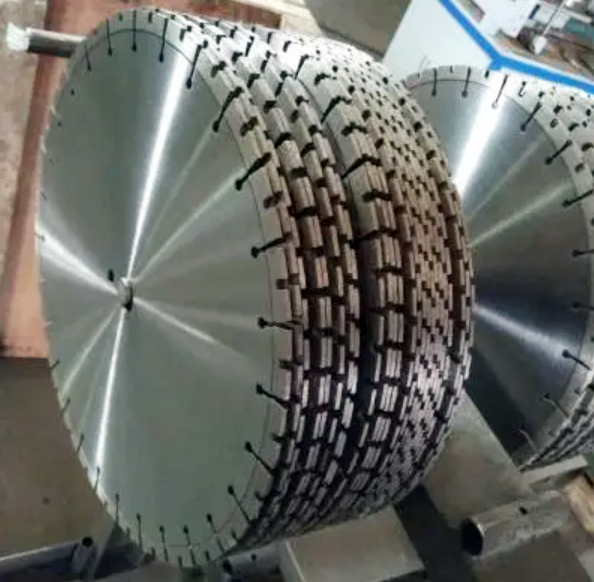

In stone processing, edge chipping is one of the most common problems that affects cutting quality. Even when using advanced cutting equipment, improper blade selection may still cause rough edges, material waste, and additional polishing work — directly increasing production costs.
The main reasons for stone chipping usually include:
· Unsuitable blade specifications — wrong segment design, bond hardness, or diamond grit size for the target material
· Incorrect cutting parameters — feed rate, cutting speed (RPM), or blade depth not matched to the stone
· Insufficient cooling — inadequate water flow causing heat buildup that damages both blade and stone
· Blade-material mismatch — using a blade designed for soft stone on hard materials, or vice versa
Different stones have different hardness and internal structures. Granite, quartz, porcelain slabs, and marble all require specific cutting solutions. Choosing the right diamond saw blade is essential for achieving cleaner edges and more stable cutting performance in daily stone processing.
The first step to reducing chipping is selecting a blade designed for the material being processed. Targeted blade matching is the core of high-quality stone processing. Using a general-purpose blade across all stone types is a common mistake that leads to inconsistent results.
Below we break down the optimal blade choices for the two most challenging stone categories.
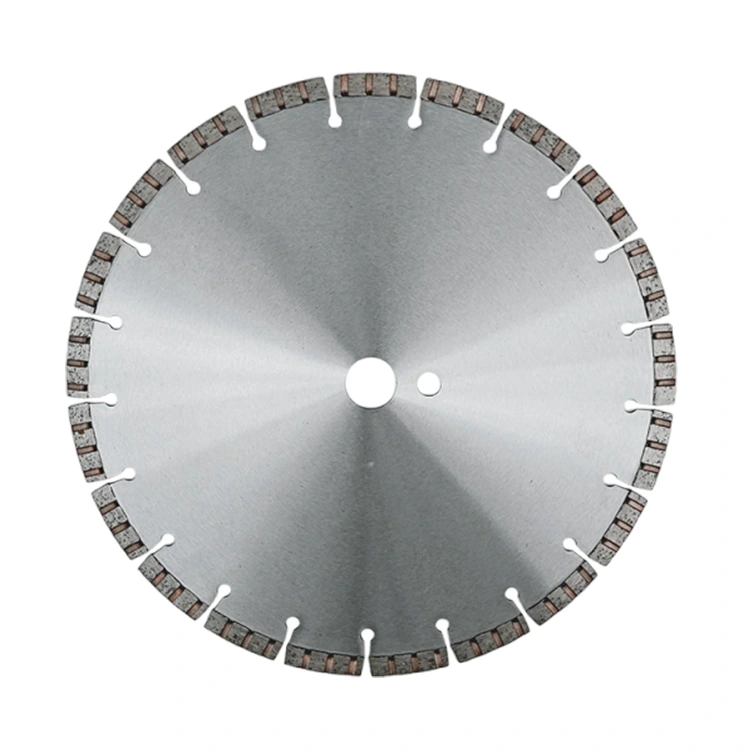
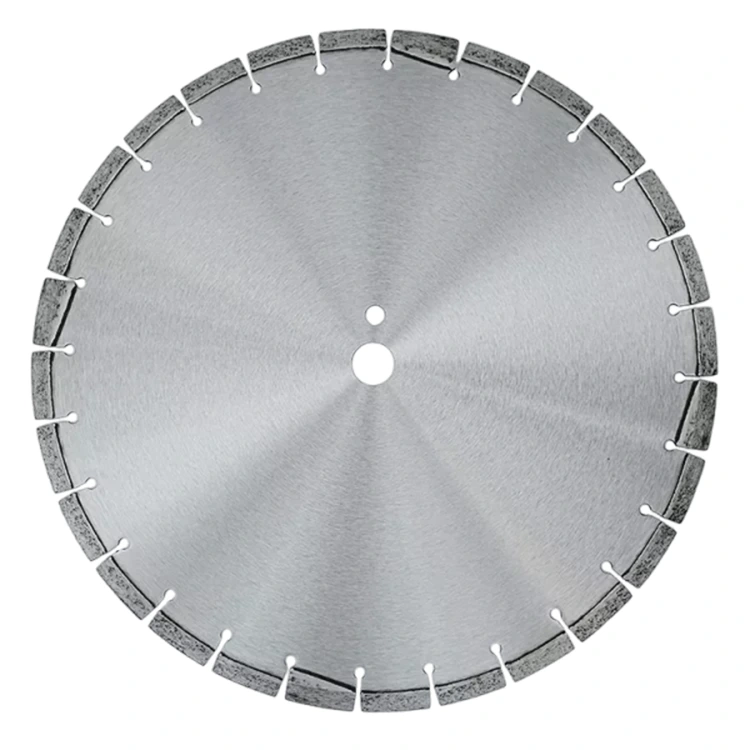
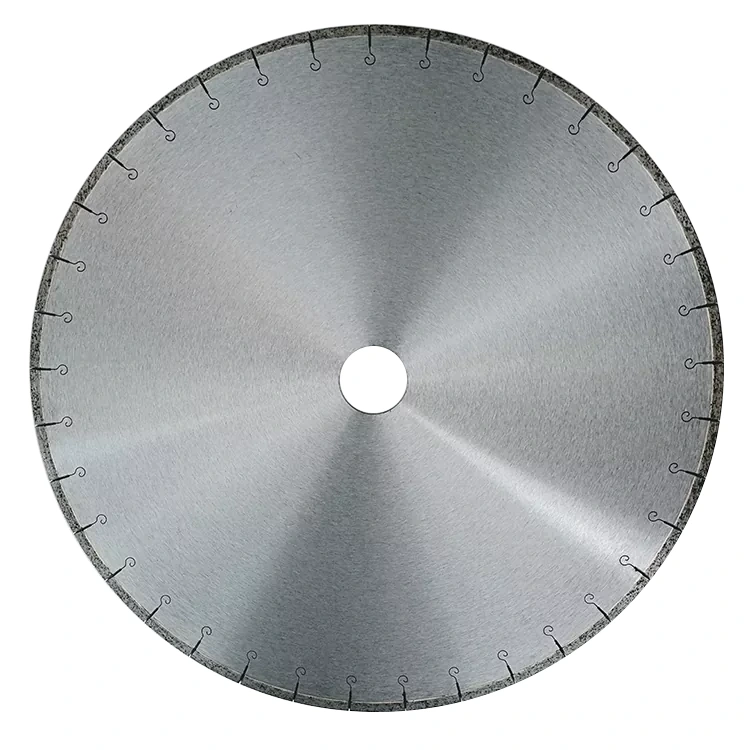
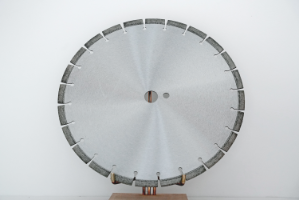
For hard materials such as granite and quartz stone, the blade needs excellent stability and wear resistance. A blade with optimized diamond segments can maintain smooth cutting performance during long-term operation, reducing the risk of segment wear-induced chipping.
[ Product Image: High-Frequency Welded Granite Saw Blade ]
Recommended Product
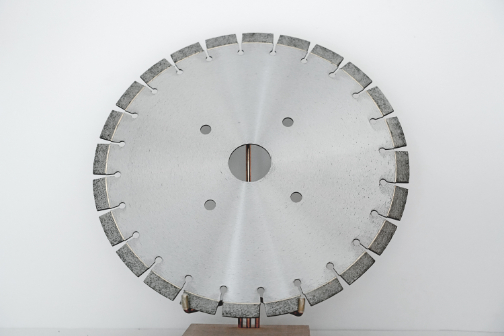
Engineered for hard stone applications, this blade features high-frequency welded segments with optimized diamond concentration. It delivers clean cuts on granite and quartz with minimal chipping, even during extended production runs.
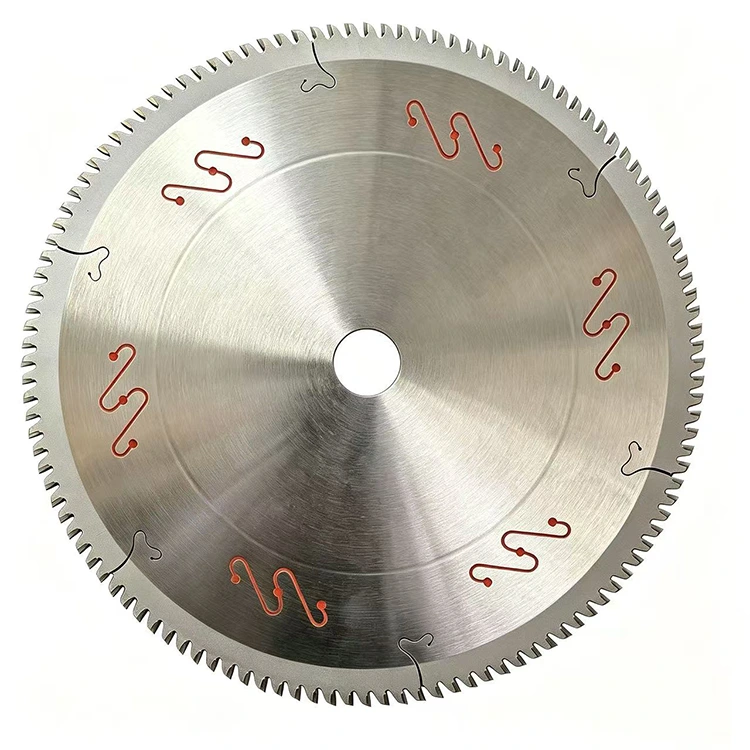
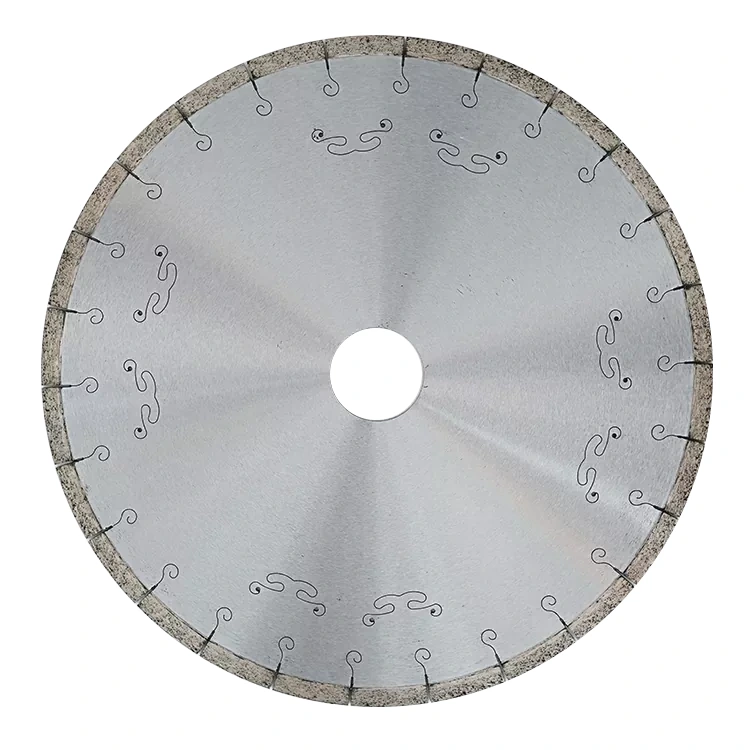
For fragile materials such as porcelain slabs and sintered stones, the cutting edge quality is especially important. These materials are prone to micro-cracks and edge spalling if the blade vibrates excessively or if the segment design is too aggressive.
These materials require blades designed for precise cutting with reduced vibration and minimal edge damage. Fine-grit diamond segments and specialized core designs help achieve chip-free results on delicate surfaces.
[ Product Image: High-Frequency Welded Sintered Stone Saw Blade ]
Recommended Product
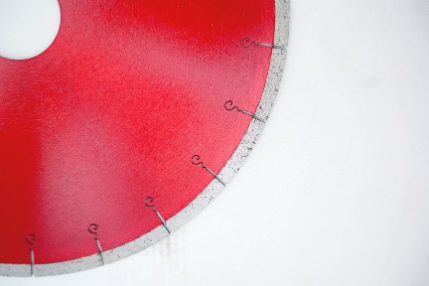
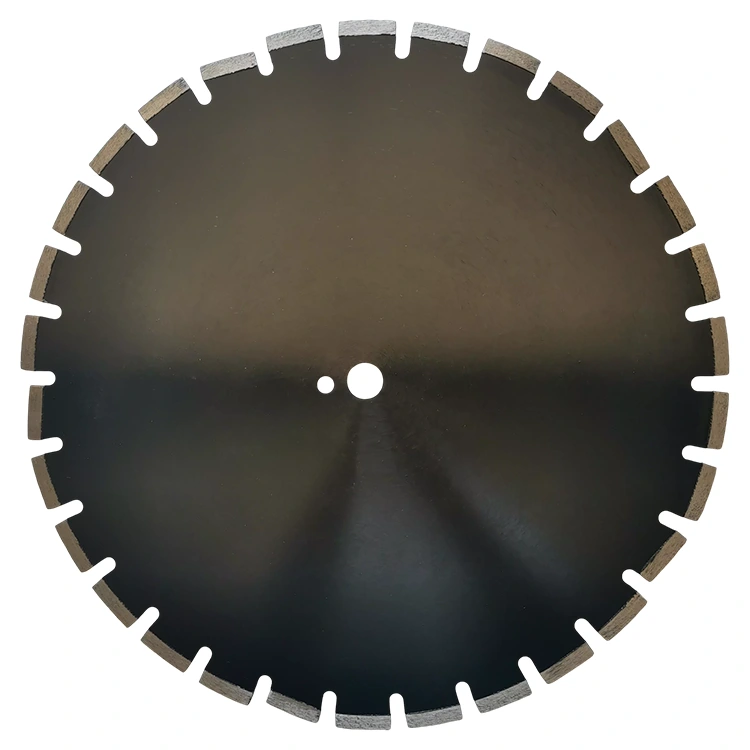
Specifically designed for porcelain slabs and sintered stone, this blade uses a specialized segment geometry and fine diamond grit to deliver ultra-clean cuts. The high-frequency welding ensures segment integrity for consistent, vibration-free performance.
Key Takeaway: OriDawn Tech provides professional diamond cutting solutions tailored to different stone applications. Matching the blade to your specific material is the single most effective way to eliminate chipping in daily production.
Use this table as a quick reference when selecting blades for common stone materials:
|
Stone Material |
Hardness |
Recommended Blade Type |
Key Feature |
|
Granite |
Hard (Mohs 6-7) |
High-Frequency Welded Granite Blade |
Wear resistance, segment stability |
|
Quartz Stone |
Hard (Mohs 7) |
High-Frequency Welded Granite Blade |
Optimized diamond concentration |
|
Porcelain Slab |
Fragile / Dense |
Sintered Stone Saw Blade |
Reduced vibration, fine grit |
|
Sintered Stone |
Fragile / Dense |
Sintered Stone Saw Blade |
Precise cutting, minimal edge damage |
|
Marble |
Soft to Medium |
General Diamond Blade (Soft Bond) |
Smooth finish, fast cutting |
Beyond blade selection, the following operational tips can further reduce chipping and improve cutting quality:
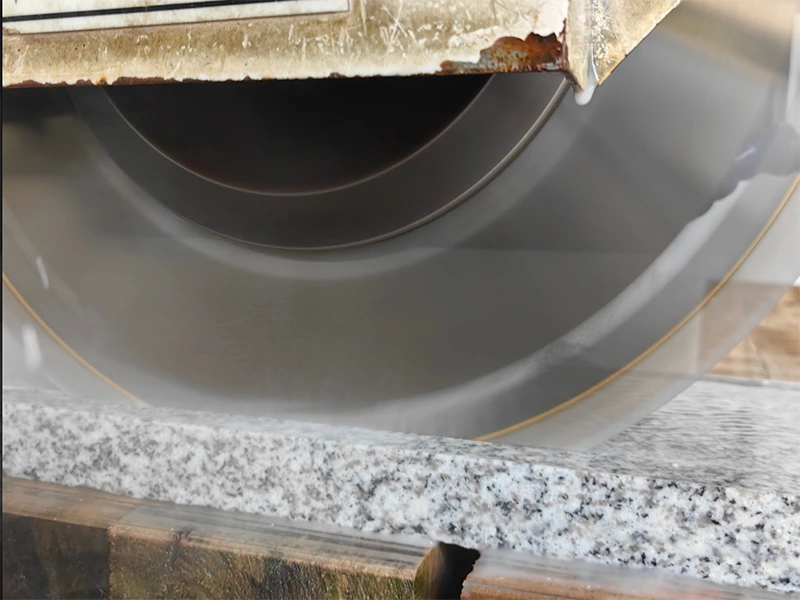
1. Ensure adequate water cooling. Proper water flow keeps the blade temperature stable and flushes debris from the cut channel, preventing heat-induced damage to both blade and stone.
2. Use the correct cutting speed. Match the blade RPM to the material — too fast causes impact chipping, too slow causes friction buildup.
3. Maintain consistent feed rate. Sudden changes in feed pressure create uneven stress on the cutting edge, leading to chips.
4. Check blade condition regularly. Worn or damaged segments cut unevenly. Replace blades before segment wear becomes critical.
5. Secure the workpiece firmly. Vibration from an unstable workpiece is a leading cause of edge chipping, especially on fragile materials.
Pro Tip: Always test a new blade on a scrap piece of the same material before full production. This helps you fine-tune cutting parameters and confirm the blade produces acceptable edge quality.
Stone chipping during cutting is usually caused by using a blade with incorrect specifications, improper cutting parameters (such as feed rate or RPM), insufficient water cooling, or a blade that does not match the stone's hardness and structure. Different stones require specific diamond blade designs to achieve clean cuts.
For hard materials like granite and quartz, a high-frequency welded diamond saw blade with optimized diamond segments provides excellent stability and wear resistance. This design maintains smooth cutting performance during long-term operation and reduces edge chipping.
To cut porcelain slabs and sintered stones without chipping, use a specialized blade designed for precise cutting with reduced vibration. These blades feature finer diamond grit and specialized segment geometry that minimizes edge damage on fragile materials.
Yes. Insufficient cooling is a major cause of chipping. Adequate water flow keeps the blade temperature stable, flushes debris from the cut channel, and prevents thermal damage to both the blade segments and the stone surface.