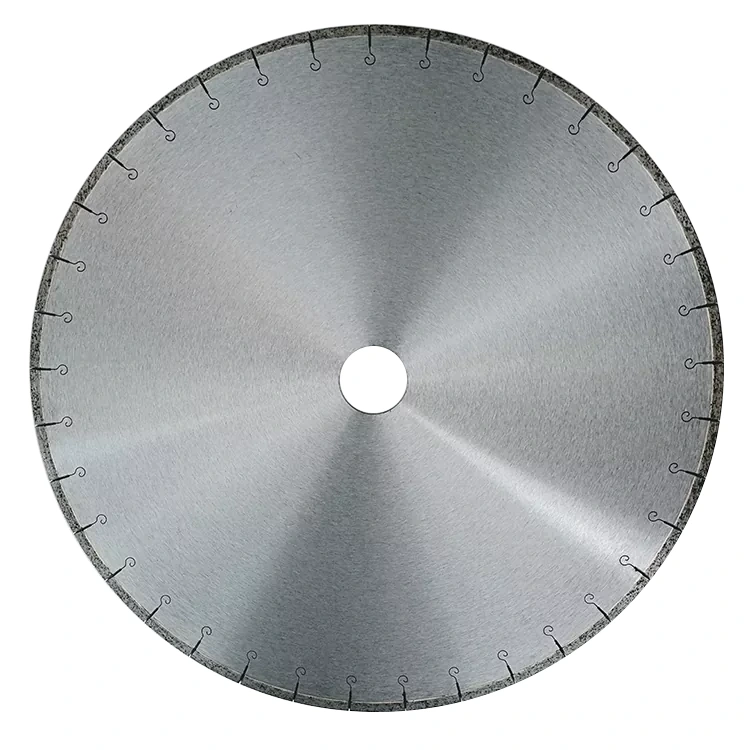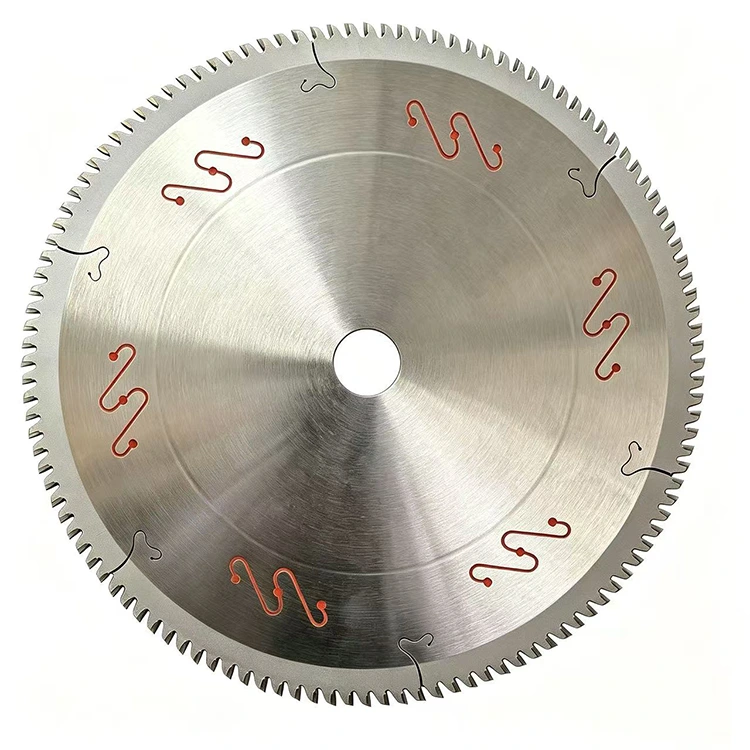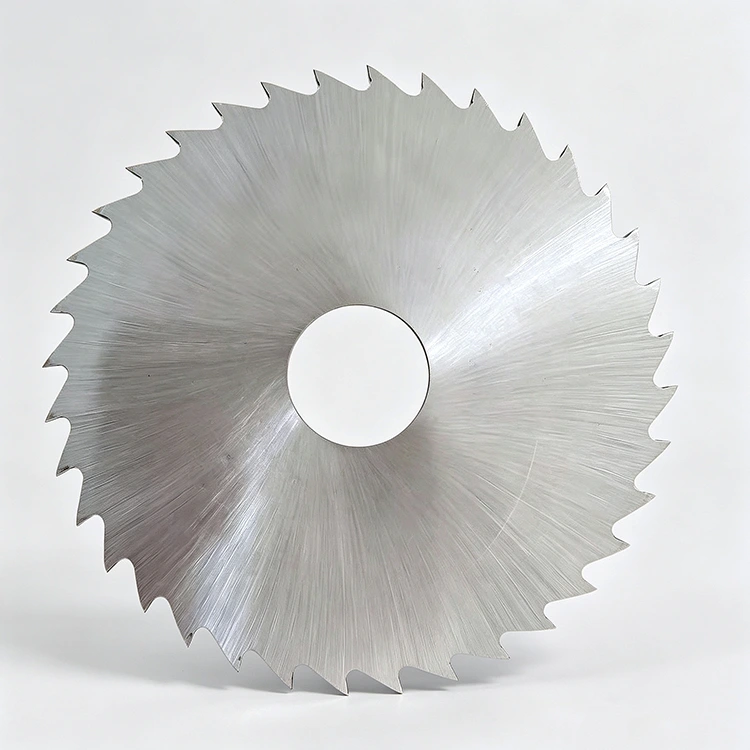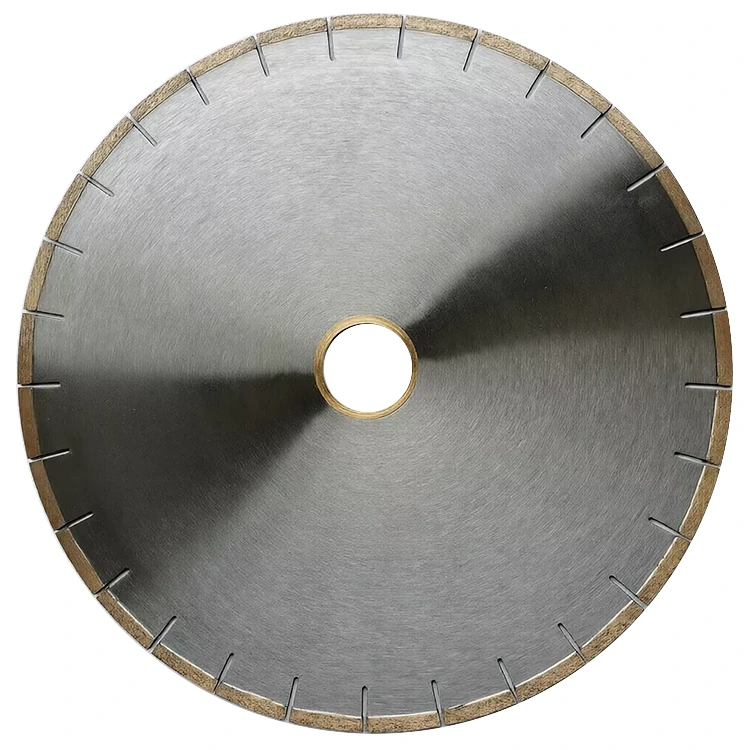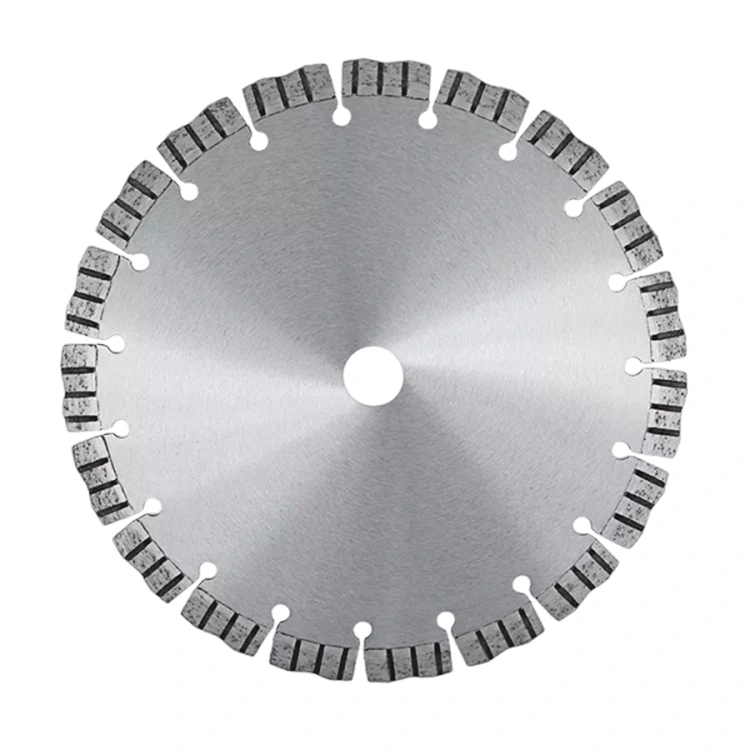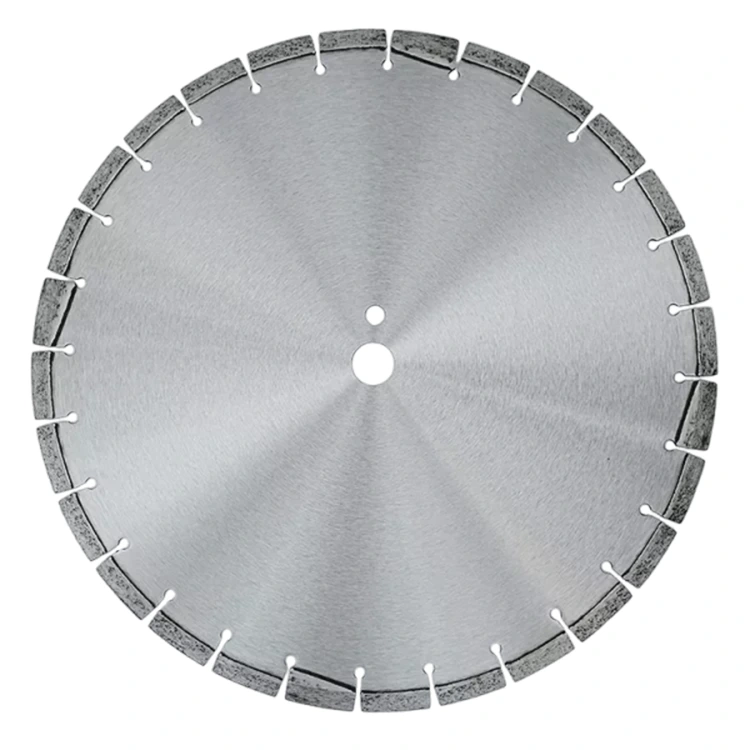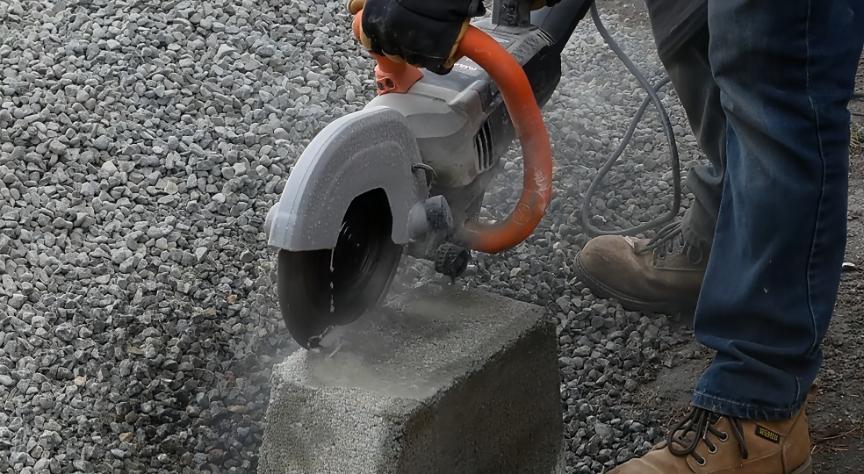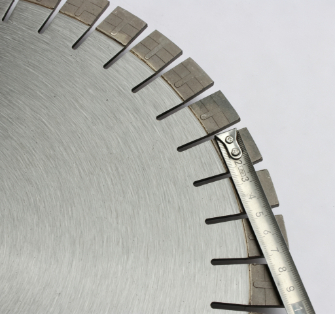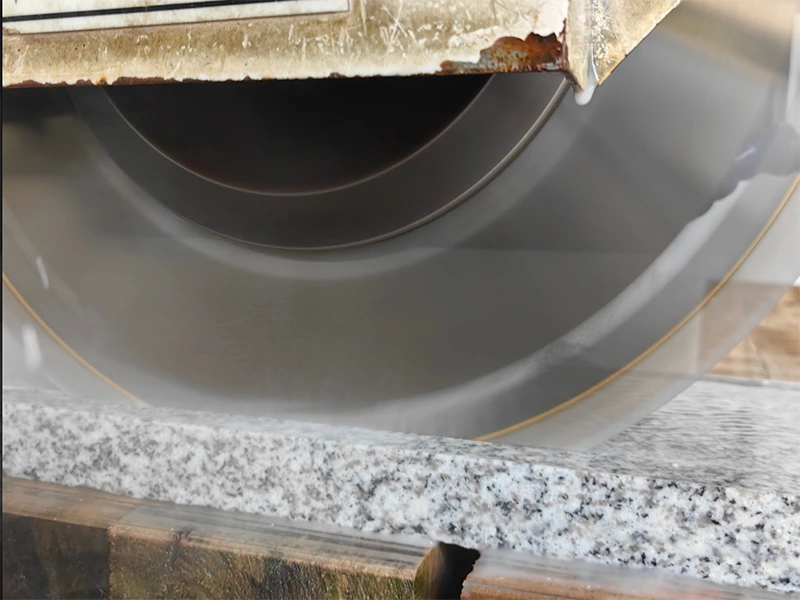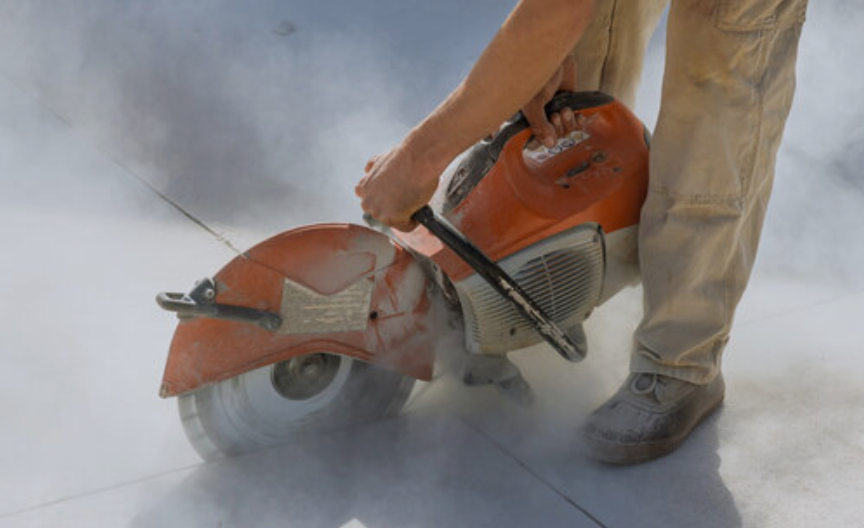

In the stone processing industry, cutting efficiency directly impacts production costs, delivery timelines, and final product quality. For professional stone factories cutting granite, marble, quartz, or porcelain slabs, the choice of cutting tool is not a minor detail — it is a strategic decision.
A premium diamond saw blade is designed to deliver faster cutting speed, smoother edge finishes, and significantly longer service life compared with standard blades. Professional-grade blades achieve this through optimized diamond segment formulas, advanced welding techniques, and rigorous quality control at every production stage.
For stone processors, the practical impact is measurable: factories using high-performance diamond blades for granite routinely report 15–30% faster cutting speeds and 2–3 times longer blade life compared to economy alternatives. Over a full production cycle, this translates into lower cost per cut, less downtime for blade changes, and higher daily output.
|
Problem |
Typical Cause |
Impact on Production |
|
Edge chipping on marble |
Wrong segment formula (too aggressive) |
Material waste, rework costs |
|
Slow cutting on granite |
Low diamond concentration |
Reduced daily output |
|
Segment detachment |
Poor welding quality |
Safety risk, sudden downtime |
|
Rapid blade wear |
Soft bond, cheap diamonds |
Frequent replacements, higher cost per cut |
If your factory is experiencing any of these issues, upgrading to a properly matched diamond saw blade is the first step toward solving them.
The diamond segment is the functional core of any cutting blade. Three factors determine its performance:
· Diamond concentration — Higher concentration generally means longer life and steadier cutting, but requires precise balance; too much concentration can slow the cut.
· Bond hardness — A harder bond holds diamonds longer (ideal for soft stones like marble); a softer bond releases diamonds faster (needed for hard stones like granite to maintain sharpness).
· Segment shape & width — Narrow segments cut faster but wear sooner; wider segments last longer but may reduce cutting speed.
Different materials demand different segment designs. Here is a practical matching guide:
|
Stone Material |
Recommended Segment Design |
Key Performance Goal |
|
Granite |
Soft bond, medium-high concentration |
Fast cutting, continuous sharpness |
|
Marble |
Hard bond, medium concentration |
Clean edges, minimal chipping |
|
Quartz / Porcelain |
Specialized thin segment, controlled exposure |
Chip-free cutting on brittle surfaces |
|
Sandstone / Limestone |
Medium bond, standard concentration |
Balanced speed and economy |
OriDawn Tech develops distinct segment solutions for each application. Explore our specialized products:
Laser-Welded Diamond Blade for Granite Cutting — optimized for hard stone with maximum cutting speed
Diamond Blade for Marble Processing — designed for clean, chip-free edges on soft stone
The bond between diamond segment and steel core determines whether a blade holds together under high-speed rotation — or fails dangerously mid-cut.
|
Method |
Bond Strength |
Typical Application |
Safety Advantage |
|
Laser welding |
2–3× stronger than brazing |
Dry cutting, high-speed operations |
Segment won't detach even under thermal stress |
|
Silver brazing |
Adequate for moderate loads |
Wet cutting at standard RPM |
Sufficient for controlled workshop conditions |
For factories that run dry cutting on granite or high-speed bridge saws, laser-welded diamond blades are the safer and more durable choice. OriDawn Tech's laser-welded series uses automated welding with real-time inspection, ensuring every segment bond meets performance thresholds.
Beyond welding, consistent blade quality depends on the full manufacturing process — from raw diamond screening to final dynamic balance testing. Each step matters:
Diamond grit selection & grading;
Segment pressing & sintering under controlled temperature;
Laser welding or brazing with alignment verification;
Steel core tensioning & flatness check;
Dynamic balance test before shipment.
A blade that passes all five checkpoints delivers the stability professional users expect throughout its working life.
One blade cannot cut every stone well. Selecting the right diamond saw blade for your specific material is the most important purchasing decision — and it directly determines your cutting results.
For Granite & Hard Stone:
Choose a blade with soft bond and high diamond concentration
Laser-welded construction is strongly recommended for dry cutting
Typical blade diameter: 300–600mm for bridge saws
→ See OriDawn's Granite Blade Series
For Marble & Soft Stone:
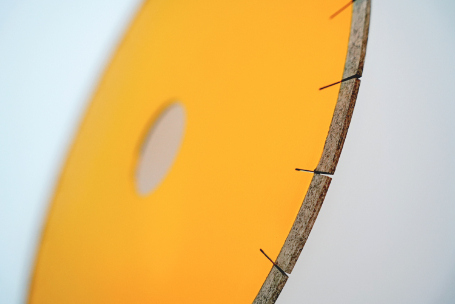
Choose a blade with hard bond to prevent over-cutting and chipping
Silver-brazed blades work well for wet cutting applications
Focus on edge quality rather than raw cutting speed
→ See OriDawn's Marble Blade Series
For Quartz, Porcelain & Brittle Surfaces:
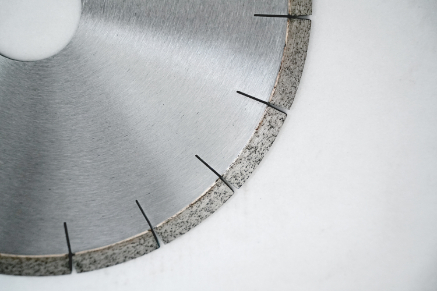
Use specialized thin-kerf segments with controlled diamond exposure
Continuous rim or ultra-thin segment design minimizes chipping
Wet cutting is almost always required
→ See OriDawn's Porcelain & Quartz Blade Series
For stone factories and professional processors, the real cost of a blade is not its purchase price — it is the total cost per cut, which includes:
Cutting time (labor + machine hours)
Material waste from chipping or poor edge quality
Downtime for blade replacements
Rework or rejection costs on finished pieces
A high-quality diamond saw blade reduces every one of these costs. Here is a simplified comparison:
|
Metric |
Economy Blade |
Professional Diamond Blade |
|
Cutting speed (granite) |
~1.5 m/min |
~2.0–2.5 m/min |
|
Blade life (linear meters) |
80–150 m |
300–500 m |
|
Edge quality |
Visible chipping |
Smooth, minimal chipping |
|
Cost per linear meter cut |
Higher (frequent replacement) |
Lower (longer life offsets higher unit price) |
Upgrading your blade is not an expense — it is an investment in higher daily output, better product quality, and stronger market competitiveness.
Q: What is the best diamond saw blade for granite? A: For granite, choose a laser-welded blade with a soft bond and medium-to-high diamond concentration. This combination maintains cutting sharpness on hard stone and prevents segment detachment during dry or high-speed cutting. OriDawn Tech's granite series is specifically engineered for these conditions.
Q: How long does a professional diamond blade last compared to a standard one? A: Professional diamond blades typically last 2–3 times longer than economy blades. On granite, a quality blade can cut 300–500 linear meters before replacement, versus 80–150 meters for standard options. The exact lifespan depends on material hardness, cutting conditions (wet vs. dry), and machine RPM.
Q: Can one diamond blade cut both granite and marble? A: While universal blades exist, they compromise on both speed and edge quality. Granite requires a soft bond for sharpness; marble needs a hard bond for clean edges. Using the same blade for both means slower granite cuts and chipped marble edges. We recommend purpose-specific blades for each material.
Q: Why do segments sometimes detach from the blade core? A: Segment detachment is almost always caused by poor welding quality, overheating during dry cutting, or using a brazed blade at speeds it was not designed for. Laser-welded blades provide 2–3× stronger segment bonds and are the recommended choice for any high-speed or dry cutting application.
Q: How do I choose between laser-welded and brazed diamond blades? A: If you are cutting granite dry, running high-speed bridge saws, or need maximum safety under thermal stress — choose laser-welded. For standard wet cutting on marble or softer stones at moderate RPM, brazed blades are a cost-effective option that still delivers reliable performance.
With years of experience in diamond tool manufacturing, OriDawn Tech provides customized cutting solutions for stone processors worldwide. From segment formula optimization to advanced laser welding, every production detail is focused on one goal: helping your factory cut faster, cut cleaner, and cut more profitably.
A professional diamond saw blade is more than a cutting accessory — it is a strategic part of your production efficiency. Whether you need:
Free sample testing — Try our blades on your stone before committing
Technical selection consultation — Get a blade matched to your exact material and machine
Custom OEM specification — We build blades to your performance requirements
Contact OriDawn Tech today and find the cutting solution that fits your business.